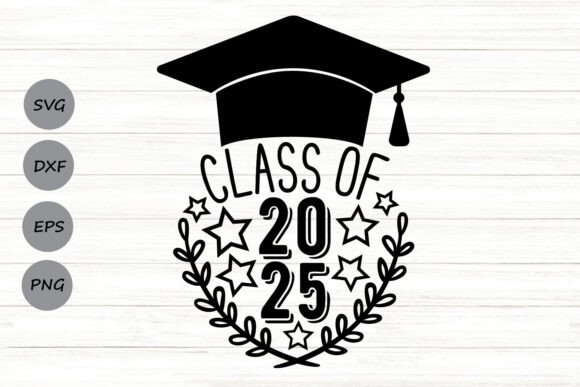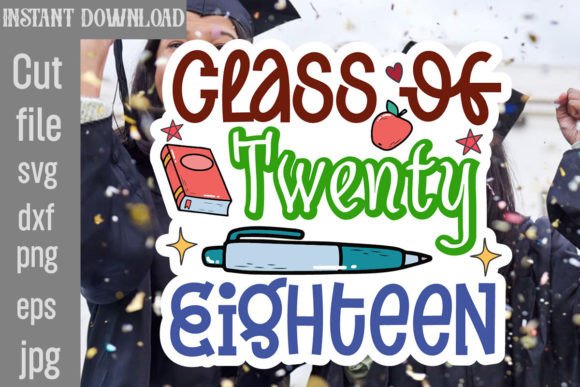
Class of Twenty Eighteen SVG Cut File Review
As a professional embroidery digitizer and product reviewer, I approach every new design asset with a critical eye. When evaluating the Class of Twenty Eighteen SVG Cut File, my primary concern is not just how it looks on a screen, but how it translates into physical thread on fabric. While this product is marketed as a digital download for cutting machines, its clean vector lines make it an exceptional candidate for conversion into a machine embroidery design. For Etsy sellers, craft business owners, and apparel decorators, understanding the bridge between a graphic file and a stitched reality is essential for creating high-value merchandise.
First Impressions: Vector Clarity Meets Nostalgic Appeal
Upon opening the .zip file, the immediate strength of this graphics package is its versatility. The inclusion of an EPS vector file is the gold standard for embroiderers. Unlike raster images that pixelate when resized, the EPS allows me to trace the artwork in digitizing software without losing edge definition. The mood of the Class of Twenty Eighteen SVG Cut File strikes a specific balance; it feels established yet youthful. It avoids the overly distressed trends of current years while maintaining enough vintage character to appeal to alumni or those seeking a retro aesthetic.
For a handmade product creator, this visual personality suggests stability and quality. The layout appears balanced, which is crucial when converting to embroidery. Unbalanced designs often require excessive underlay or result in puckering. This design’s symmetry suggests it will sit flat on a sweatshirt embroidery project or center cleanly on a tote bag design without requiring significant manual adjustment during the digitizing phase.
Real-World Application: The Alumni Sweatshirt Test
To truly evaluate this asset, I mentally placed it in a real-life production scenario: creating custom apparel for a ten-year high school reunion. This is a common request for small shop products and commercial embroidery businesses. The goal was to produce a crewneck sweatshirt that felt premium rather than like cheap promotional gear.
Using the PNG file (300 DPI) as a visual reference and the EPS for tracing, the design performed admirably. The typography inherent in "Twenty Eighteen" offers excellent opportunities for stitch texture variation. I envisioned using a satin stitch for the numerals to give them a raised, collegiate sheen, while utilizing a fill stitch for any background elements to reduce overall stitch density. This combination is vital for keeping the garment soft and wearable. A dense, fully saturated design can make a sweatshirt stiff and uncomfortable, leading to customer returns. The Class of Twenty Eighteen SVG Cut File provides enough negative space to prevent this issue, ensuring the finished product remains cozy.
For Etsy sellers listing personalized gifts, this design also works beautifully as an embroidered patch. The distinct shapes allow for a clean merrowed edge or a satin border, making it easy to apply to caps, backpacks, or jackets later. This adaptability increases the ROI of the digital embroidery file for creative entrepreneurs.
Navigating Fabric Limitations and Hoop Constraints
While the design is robust, practical judgment requires acknowledging where caution is needed. Not every fabric accepts this level of detail equally. When planning baby embroidery or items for delicate knits, the stitch count derived from this vector must be managed carefully.
- Stretchy Fabrics: If applying this to performance wear or thin jersey knits, you must use adequate stabilizer. The structured nature of the text can cause tunneling if the fabric shifts during stitching. A cut-away stabilizer is non-negotiable here.
- Textured Surfaces: On terry cloth towels or fleece blankets, the finer details of the 2018 numeral styling may get lost. In these cases, I recommend adding a knockdown stitch layer beneath the design or simplifying the vector traces to bolder, thicker lines before generating the embroidery file.
- Small Hoop Sizes: If you are working with a 4x4 hoop size, verify the dimensions. Shrinking a complex year design too much can cause thread breaks and illegible text. Always measure your usable sewing field against the design's aspect ratio.
- Curved Surfaces: For cap embroidery, the horizontal span of "Twenty Eighteen" might exceed the curved sewing area. You may need to arc the text or split the design into two separate hoopings to maintain professional clarity.
Impact on Brand Value and Customer Trust
In the competitive landscape of crafts and graphics, presentation dictates price. Using a high-quality source file like the Class of Twenty Eighteen SVG Cut File directly influences perceived value. When customers see crisp, well-defined stitching on a holiday gift or boutique product, they associate that precision with your brand. Conversely, jagged edges or poor registration caused by low-quality source art erodes trust.
The transparent background PNG included in the download is invaluable for creating printable mockups. Before stitching a single test swatch, I can overlay this image onto product photos to show clients exactly what their custom apparel will look like. This reduces approval time and sets accurate expectations. For digital product sellers offering print-on-demand services alongside embroidery, having both the vector and the high-res raster ensures consistency across all sales channels.
Essential Designer Notes for Production Success
Before listing any item featuring this design or selling the finished product, adhere to these professional best practices:
- Test Stitch First: Never assume a direct auto-digitize will work. Run a test on scrap fabric similar to your final project. Check for gaps between the satin stitch borders and fill areas.
- Verify Licensing: This is a digital download. Confirm whether your purchase includes commercial rights for selling physical embroidered items versus selling the digital file itself. Respecting intellectual property protects your craft business.
- Thread Color Contrast: Test the design in both black and white thread. Some details visible in the SVG may disappear if there is insufficient contrast between the thread and the fabric texture.
- Check File Compatibility: While the DXF is great for Silhouette users and SVG for Cricut, ensure your embroidery software can import the EPS or SVG cleanly. If you lack vector editing software, rely on the high-DPI PNG for manual tracing.
- Wash Testing: If this is intended for tea towels or baby clothes that face frequent laundering, perform a wash test. Ensure the stitch density holds up without fraying or distorting the "Twenty Eighteen" lettering.
Final Verdict for Makers and Sellers
The Class of Twenty Eighteen SVG Cut File is more than just a cutting file; it is a foundational asset for serious embroidery projects. Its clean geometry supports professional digitizing, and its thematic relevance makes it a staple for alumni merchandise, reunion events, and nostalgic personalized gifts. By respecting the technical requirements of stitch density, stabilizer selection, and fabric compatibility, makers can transform this digital graphic into a tangible, high-quality product that resonates with buyers. Whether you are decorating a single keepsake pillow cover or fulfilling a bulk order for a local business, this design provides the reliable structure necessary for commercial embroidery success.