Class of 2025 SVG: An Embroidery Designer’s Review
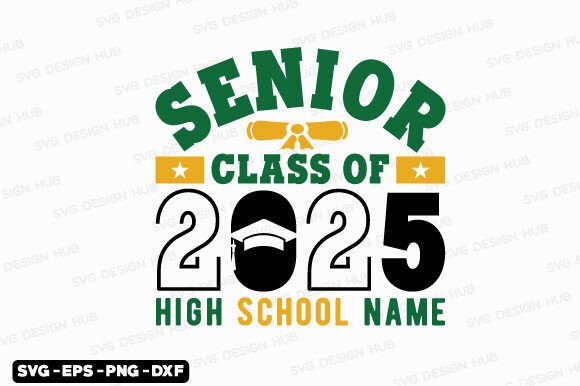
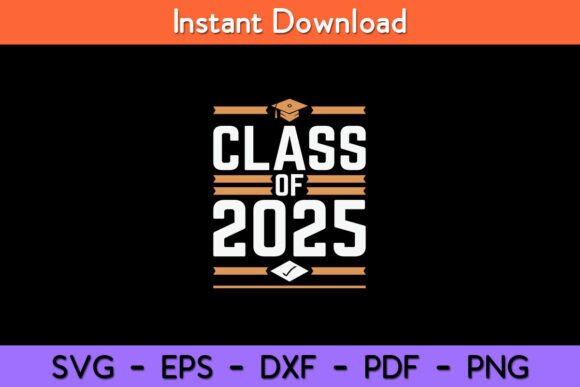
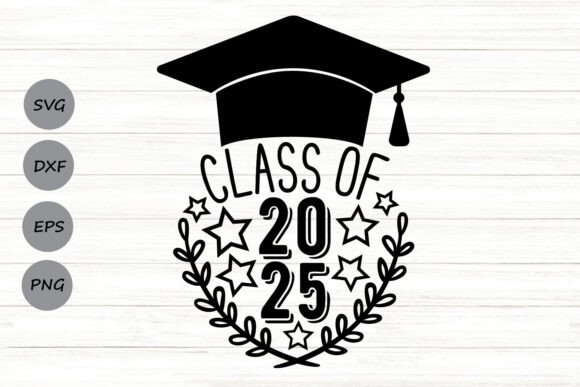
As a professional embroidery designer and product reviewer, I approach every new digital asset with a critical eye. When evaluating the Class of 2025 Svg, my first thought isn't just about how it looks on a screen, but how it will translate into thread on fabric. This design falls squarely into the Graphics category for Crafts, but for those of us running a craft business or managing an Etsy shop, it represents potential inventory. The initial impression of this graduation 2025 svg is clean and celebratory, capturing that specific milestone mood without feeling overly cluttered. However, moving from a vector file to a finished embroidered product requires careful consideration of stitch dynamics, fabric compatibility, and commercial viability.
Translating Vector Lines to Stitch Reality
The most crucial step in reviewing any machine embroidery design derived from an SVG is understanding the conversion process. While this Class of 2025 Svg is marketed as ready for cutting machines, using it for embroidery requires digitizing or converting it into a proper embroidery file format like DST, PES, or JEF. As a designer, I look at the line weight and negative space. If the original graphic relies on extremely thin lines, they may disappear or cause thread breaks when converted to a running stitch. Conversely, large solid areas in the 2025 Grad Svg might require a fill stitch that could become too dense for lightweight fabrics.
For this specific school graduation svg theme, typography is usually the focal point. In my experience, block letters convert beautifully to satin stitch borders, providing that classic varsity look customers love. However, if the design includes intricate script or distressed textures common in modern grad aesthetics, you must be cautious. Distressed effects often do not digitize well automatically; they can result in messy jump stitches or excessive trims. Before committing this design to a sweatshirt embroidery project, I strongly advise checking whether the file has been professionally digitized for needle and thread, rather than simply auto-converted by software.
Real-World Application: The Custom Sweatshirt Test
To truly evaluate this Class Graduation Svg, I mentally placed it on a heavyweight cotton fleece sweatshirt, which is currently the gold standard for personalized gifts and boutique merchandise. In this scenario, the design needs to hold its own against the textured fabric surface. Fleece tends to swallow fine details, so the "2025" numerals need sufficient width and stitch density to remain legible.
If I were creating custom apparel for a graduating senior, I would likely pair this design with an applique technique. Using the SVG as a template for cutting fabric pieces reduces the overall stitch count significantly while adding a premium, tactile element that buyers appreciate. A pure fill-stitch version of a large graduation graphic can make a sweatshirt stiff and bulletproof, which detracts from the wearer's comfort. By utilizing the Class of 2025 Svg as a guide for placement and applique, you maintain the garment's drape and increase the perceived value of the handmade product. This approach also speeds up production time, a vital factor for small shop owners fulfilling bulk orders during peak graduation season.
Fabric Limitations and Stabilizer Strategy
Not every fabric is suitable for this type of commemorative graphics. While this design shines on stable knits and woven cottons like tote bag canvas or tea towels, it presents challenges elsewhere. I would hesitate to use a standard version of this design on stretchy performance wear or thin jersey knits without significant modification. The tension required for lettering can distort stretchy fabrics, causing the "Class of 2025" text to pucker or tunnel.
Stabilizer choice is non-negotiable here. For a structured item like an embroidered patch or cap, a firm cut-away stabilizer is essential to support the stitch density. If you are adapting this SVG for a baby embroidery project on a onesie, you must use a lightweight tear-away or wash-away stabilizer to prevent skin irritation and maintain softness. Always test the design on scrap fabric first. Check your thread colors against the fabric background; high contrast is necessary for readability, especially if the design features smaller accent elements like stars, diplomas, or mascots often found in graduation assets.
Commercial Viability for Makers and Sellers
For Etsy sellers and creative entrepreneurs, the versatility of this digital embroidery file determines its ROI. The "Class of 2025" theme is inherently seasonal but offers a short, intense sales window. To maximize this asset, consider how it scales across different products. Does the aspect ratio work for both a vertical tote bag design and a horizontal pillow cover? Can the elements be separated to create a smaller left-chest logo for polo shirts?
Professionalism in presentation builds customer trust. When listing items made with this design, avoid generic mockups. Create printable mockups or photograph actual samples to show how the stitches interact with the material. Buyers want to see stitch clarity, not just a digital overlay. Furthermore, verify the licensing terms of the original Class of 2025 Svg before selling. Some files allow for unlimited physical product sales but prohibit distributing the digital embroidery file itself. Protecting your business means respecting intellectual property while delivering unique, high-quality custom apparel and gifts.
Designer Notes for Successful Execution
- Verify Digitizing Quality: Never assume an SVG is stitch-ready. Ensure it has been converted to a true embroidery format with proper underlay, pull compensation, and tie-offs.
- Check Hoop Size Compatibility: Measure the design dimensions after digitizing. Ensure it fits within your machine’s maximum hoop size without requiring re-hooping, which can ruin alignment on multi-color designs.
- Test on Dark Fabrics: Graduation colors are often dark (navy, black, maroon). Test your white or metallic thread tension on dark scraps to ensure no bobbin thread shows through the top stitching.
- Evaluate Small Details: If the design includes tiny text like a school name beneath "2025," verify it remains legible at smaller sizes. You may need to simplify or remove micro-text for baby clothes or sleeve cuffs.
- Mockup in Black and White: Viewing the design in grayscale helps identify density issues and contrast problems that color might hide.
- Confirm Washability: For items like kitchen towels or blankets that need frequent washing, ensure the stitch type is durable. Satin stitches should be secured properly to prevent fraying over time.
Ultimately, the Class of 2025 Svg is a promising foundation for seasonal merchandise, provided it is treated with the technical respect embroidery demands. Whether you are crafting a sentimental personalized gift or stocking your shop with commercial embroidery bestsellers, success lies in the details. By focusing on proper stabilization, appropriate fabric pairing, and professional digitizing standards, you can transform this digital graphic into a tangible, high-value product that graduates and their families will cherish. Always prioritize the integrity of the stitch out over speed, and your reputation as a maker will grow alongside your sales.