In My Lucky Teacher Era: Embroidery Review
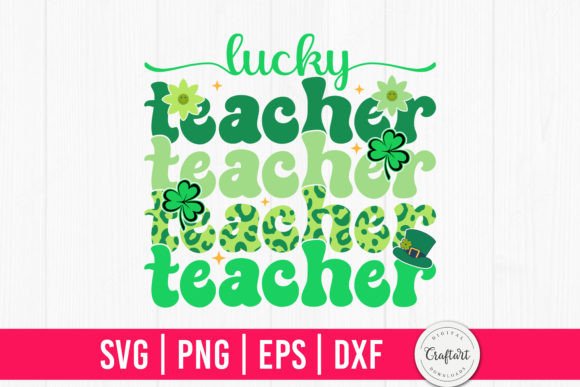
As a professional embroidery designer and product reviewer, I approach every new digital asset with a critical eye. When evaluating In My Lucky Teacher Era, my first thought isn't just about the aesthetic appeal of the retro typography; it is about how this graphic translates from a screen to fabric. While this product is listed as an SVG, PNG, DXF, and EPS file primarily for cutting machines like Cricut and Silhouette, experienced makers know that these vector-based graphics are often the foundation for exceptional machine embroidery designs. Whether you are digitizing this yourself or using a pre-digitized version derived from this artwork, understanding its behavior on textiles is crucial for creating a high-quality handmade product.
First Impressions and Retro Aesthetic Translation
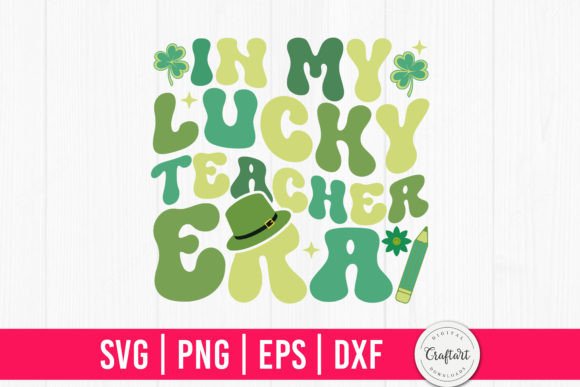
The visual personality of In My Lucky Teacher Era immediately signals nostalgia and warmth. The retro style suggests groovy, flowing fonts and perhaps some vintage-inspired decorative elements. From a design perspective, this mood is perfect for the current market trend of nostalgic educator apparel. However, retro fonts can be tricky in embroidery. The curves that look effortless in a vector file can become jagged or overly dense when converted to stitches. As I reviewed the layout, I considered how the negative space would interact with fabric texture. A design with this much character needs room to breathe. It feels less like a rigid logo and more like a lifestyle statement, which means it belongs on items that are worn casually and comfortably, rather than stiff, formal corporate wear.
Real-World Application: The Teacher Tote Bag Test
To truly judge the viability of this design, I mentally placed it into a real-life scenario: creating a custom embroidered tote bag for a teacher appreciation gift. Tote bags are a staple for Etsy sellers and small shop products because they offer a large canvas for expression. For this specific project, I envisioned In My Lucky Teacher Era centered on a natural cotton canvas bag.
In this application, the design performs exceptionally well because canvas provides a stable base for detailed lettering. If I were digitizing this graphic for embroidery, I would likely utilize a combination of satin stitch for the main text to give it that smooth, retro sheen, and perhaps a running stitch outline to add definition without excessive density. The "Lucky Teacher" sentiment resonates deeply when stitched in warm, earthy thread colors like terracotta, sage green, or mustard yellow. This specific color palette enhances the retro vibe and increases the perceived value of the finished product. Customers looking for personalized gifts want something that feels curated, not mass-produced, and the tactile nature of embroidery on canvas achieves exactly that.
Navigating Fabric Challenges and Hoop Sizes
While the tote bag scenario is ideal, many crafters will want to use In My Lucky Teacher Era on apparel like sweatshirts or t-shirts. This is where practical judgment must override enthusiasm. Retro scripts often have varying line widths. On a stretchy knit fabric, those thin connecting lines between letters are vulnerable. If the stitch density is too high, the fabric will pucker; if it is too low, the letters may disappear into the fleece of a sweatshirt.
I strongly advise checking your hoop size before committing to this design on garments. Retro layouts can sometimes be wider than standard 4x4 hoops allow. If you are working with a smaller hoop, you may need to resize or reconfigure the design elements. Resizing vector graphics for embroidery requires care; shrinking a design too much can cause satin stitches to become narrow columns that cut through delicate fabrics. Conversely, enlarging it for a back-of-jacket print requires ensuring the fill stitch patterns remain attractive at scale. Always test on scrap fabric that matches your final project's weight and stretch. This step is non-negotiable for maintaining professionalism and avoiding wasted blanks.
Strategic Use Cases for Creative Entrepreneurs
Beyond apparel, this design has significant potential for other commercial embroidery projects. Consider the nursery or classroom decor market. In My Lucky Teacher Era could be beautifully executed as an embroidered patch for a backpack or a denim jacket. Patches allow you to control the stabilizer completely, making them safer for complex retro fonts than direct-to-garment stitching. Additionally, tea towels and kitchen linens are excellent substrates. The absorbent texture of linen holds embroidery well, and the "teacher era" theme fits perfectly in a school-themed kitchen or breakroom gift set.
For digital product sellers and Etsy sellers, this graphic also serves as a powerful asset for printable mockups. Even if you sell physical embroidered goods, having a clean PNG version allows you to create accurate digital previews for custom orders. Showing a client exactly how their name might pair with In My Lucky Teacher Era in a mockup builds trust and reduces revision rounds. Just ensure you understand the distinction between selling the digital file versus selling the finished embroidered item.
Critical Designer Notes for Success
Before you load this design into your machine or listing, please heed these practical notes derived from years of production experience:
- Verify Licensing: The product description specifies files for cutting machines. Confirm whether your purchase includes commercial rights for embroidery digitization or finished product sales. Never assume cross-format permissions.
- Stabilizer Selection: For retro script on knits, use a cut-away stabilizer to prevent distortion. For woven fabrics like canvas or denim, a tear-away may suffice, but always prioritize stability over ease of removal.
- Thread Contrast Testing: Retro designs rely on shape. Test your thread colors against both light and dark fabric backgrounds. A cream thread on white fabric might look elegant in a photo but invisible in person. Ensure sufficient contrast for readability.
- Detail Inspection: Zoom in on the vector file before digitizing. Look for overlapping paths or tiny serifs that might cause thread breaks. Simplify these areas manually if necessary to ensure smooth stitching.
- Mockup Accuracy: When creating listings, do not use flat digital overlays as your only representation. Stitch out a sample or use a realistic 3D mockup that shows stitch texture. Buyers of handmade products expect to see how the embroidery actually sits on the fabric.
Elevating Brand Value Through Intentional Design
Ultimately, In My Lucky Teacher Era is more than just a trendy phrase; it is a vehicle for connection. When executed correctly in embroidery, it transforms a generic garment into a cherished personalized gift. The key to success lies in respecting the technical limitations of the medium while embracing the emotional resonance of the message. By paying attention to stitch density, fabric compatibility, and proper stabilization, you ensure that your finished product reflects the quality your customers expect. Whether you are a hobbyist making a gift for a favorite educator or a business owner expanding your seasonal catalog, treating this graphic with professional diligence will result in a beautiful, durable, and highly marketable creation. Remember, in the world of crafts and graphics, the difference between a good product and a great one is almost always found in the details of execution.