Teacher Mode SVG & PNG: An Embroidery Design Review
As a designer who spends more time behind an embroidery machine than a computer screen, I evaluate every new graphic asset through the lens of stitchability. When I first opened the Teacher Mode SVG and Teacher PNG files, I wasn't just looking at clean vector lines or high-resolution pixels; I was mentally mapping out how this artwork would translate into thread on fabric. For those of us in the crafts industry, whether you are an Etsy seller updating your shop for back-to-school season or a hobbyist making gifts for favorite educators, the gap between digital art and physical product is where success lives or dies. This review breaks down exactly how this design performs when moved from screen to hoop.
First Impressions: Visual Personality and Layout
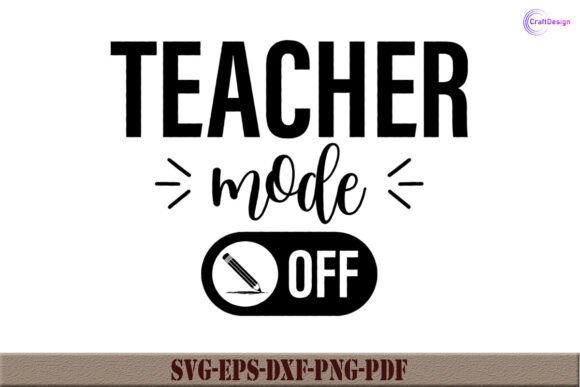
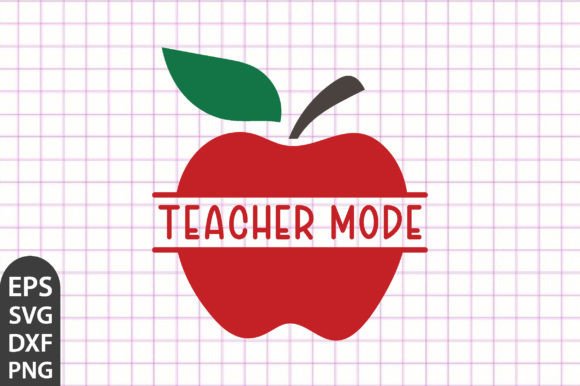
The immediate strength of the Teacher Mode SVG lies in its balanced composition. In the world of graphics, many designs look fantastic as flat vectors but become muddy or unrecognizable once converted to stitches. This design avoids that trap. The layout possesses a clear hierarchy that reads well even from a distance, which is crucial for custom apparel like sweatshirts or tote bags. The aesthetic strikes a confident yet approachable mood, avoiding overly cutesy elements that might alienate high school or university instructors while remaining warm enough for elementary teachers.
From a technical standpoint, the included DXF and EPS files suggest robust vector integrity. When preparing a machine embroidery design, smooth nodes and closed paths are non-negotiable. Jagged vectors result in jagged satin stitches, but this file appears optimized for digitizing software. The 300 DPI transparent PNG is equally impressive, serving as an excellent reference for color matching or for creating printable mockups to show clients before you commit to stitching. For creative entrepreneurs selling digital assets or finished goods, having both the editable vector and the high-res raster ensures you can market the product effectively across different platforms.
Real-World Application: The Canvas Tote Test
To truly judge this asset, I evaluated it within the context of a specific project: a personalized canvas tote bag intended as an end-of-year gift. Tote bags present unique challenges because the fabric texture is coarse, and the item receives heavy wear. Here, the Teacher Mode SVG proved versatile. Because it is a vector file, I could scale it to fit a 5x7 hoop without losing edge definition, ensuring the design remained crisp against the woven canvas grain.
For this application, I envisioned combining fill stitch backgrounds with satin stitch borders. The design’s open negative spaces are a major advantage here. Dense, fully filled designs can make a tote bag stiff and board-like, but this layout allows the fabric to retain some drape. If you are running a craft business focused on teacher appreciation merchandise, this balance of coverage and breathability increases the perceived value of the handmade product. Customers appreciate items that look professional but still feel functional. Furthermore, the clear separation of design elements makes it easier to swap thread colors to match specific school branding, a frequent request in commercial embroidery projects.
Navigating Fabric Variables and Hoop Limitations
While the design is robust, no single graphic works universally across all textiles without adjustment. When using the Teacher Mode SVG for stretchy fabrics like jersey knits or performance tees, you must exercise caution. The design likely contains areas intended for satin stitch columns. On unstable knit fabrics, these can tunnel or pucker if not properly supported. Always pair this design with appropriate stabilizer; a cut-away backing is usually safer than tear-away for apparel to prevent distortion after washing.
Size reduction is another critical consideration. While the vector format allows infinite scaling, physics dictates minimum stitch widths. If you plan to use this as a small pocket logo or an embroidered patch, verify that the finest details remain above 1mm in width. Satin stitches thinner than that risk breaking needles or disappearing into the fabric weave. For baby embroidery or smaller holiday gifts, you may need to simplify the design slightly in your digitizing software, removing tiny accent elements that won't register clearly at reduced sizes. Always test on scrap fabric first, especially when working with textured materials like terry cloth tea towels or fleece blankets where fine details can get lost in the pile.
Commercial Viability and Brand Consistency
For Etsy sellers and small shop owners, consistency builds trust. The Teacher Mode SVG offers a cohesive visual language that can anchor a collection. Because the package includes multiple formats, you can maintain brand uniformity across different product types. Use the SVG for vinyl decals on tumblers, the PNG for sublimation prints on mugs, and the digitized version for embroidered apparel. This multi-format utility maximizes your return on investment for design assets.
However, professionalism extends beyond the file type. It involves understanding how the design interacts with light and dark backgrounds. Before listing a finished product, create black and white mockups to check contrast. A design that pops on white cotton might vanish on navy blue polyester unless you adjust the underlay or add a white outline. This step prevents customer disappointment and returns. Additionally, always confirm your licensing terms. Just because you possess the EPS or DXF file doesn't automatically grant unlimited commercial rights for reselling the digital embroidery file itself versus selling the physical stitched product. Clarifying this protects your business and respects the original creator.
Designer Notes for Optimal Stitch-Outs
Based on my evaluation, here are practical recommendations for integrating this design into your workflow:
- Verify Stitch Density: Before stitching on delicate fabrics, simulate the design in your software to ensure the stitch density isn't too high for the material weight.
- Contrast Testing: Print the PNG in grayscale to visualize how the design relies on value rather than color. This helps when selecting thread colors for monochromatic projects.
- Stabilizer Selection: Match your stabilizer to the fabric, not just the design. Heavy canvas needs less support than lightweight knit, regardless of the graphic's complexity.
- Mockup Accuracy: Use the high-resolution PNG to create realistic digital previews for your online listings, but clearly state that the final product is embroidered to manage buyer expectations regarding texture and sheen.
- Detail Inspection: Zoom in to 400% in your vector editor to check for overlapping nodes or stray points that could cause machine errors during automated trimming.
Final Thoughts on Production Value
The Teacher Mode SVG and Teacher PNG represent a solid foundation for both personal crafting and commercial production. Its strength lies in its adaptability and clean geometry, which translates reliably into thread. Whether you are creating a bespoke sweatshirt for a client or stocking your booth for a fall craft fair, this design offers the flexibility needed for modern embroidery businesses. Remember that the file is merely the blueprint; your expertise in hooping, stabilization, and color selection brings it to life. By treating this graphic as a starting point for thoughtful production rather than a plug-and-play solution, you ensure that every finished product honors both the design and the recipient.