Class of 2026 Senior Design: An Embroidery Review
As a professional digitizer and product reviewer, I approach every new digital asset with a specific question: will this actually stitch out well on fabric? When evaluating the Class of 2026 Senior 2026 Graduation Vintage School Spirit SVG, my perspective shifts from simple graphic appreciation to technical embroidery feasibility. While this file is marketed primarily as a digital cutting file for Cricut and Silhouette users, its vintage aesthetic holds significant potential for mixed-media creators and apparel decorators. However, translating a vector graphic into a durable embroidered patch or sweatshirt design requires careful consideration of stitch density, fabric texture, and visual hierarchy.
First Impressions and Vintage Aesthetic Translation
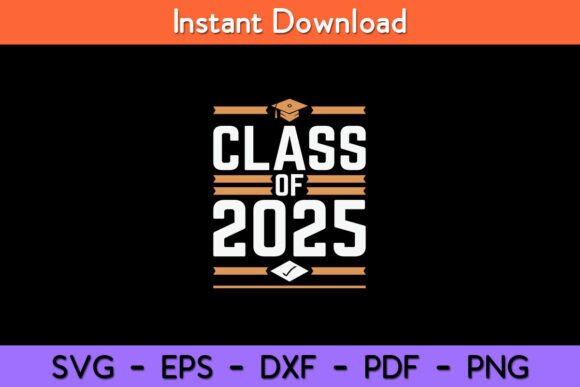
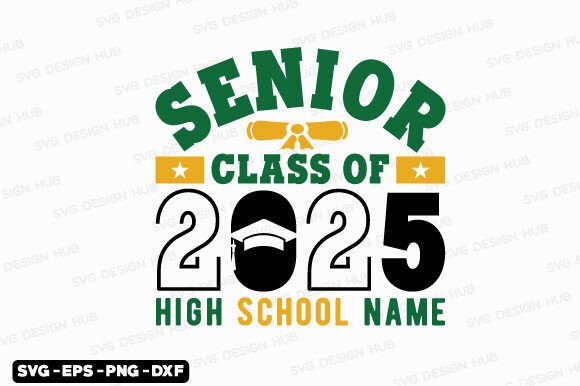
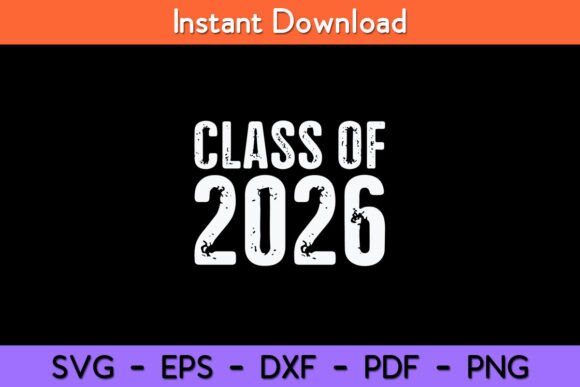
The immediate appeal of the Class of 2026 Senior 2026 Graduation design lies in its nostalgic, retro typography. For an embroidery designer, "vintage" is a double-edged sword. Visually, it suggests distressed textures, varsity fonts, and classic school spirit motifs that resonate deeply with seniors and parents. Technically, however, these elements demand precision. The layout feels balanced for center-chest placement on custom apparel or as a focal point on a tote bag design. The mood is celebratory yet grounded, avoiding overly trendy elements that might date the finished product too quickly.
From a graphics standpoint, the clean lines of the SVG are excellent for vinyl applications. But for those of us converting this into a machine embroidery design, the simplicity is a strength. It allows for creative interpretation in digitizing without fighting against excessive clutter. The design naturally lends itself to a combination of satin stitch borders and fill stitch interiors, creating that classic collegiate look that customers associate with high-quality handmade products.
Real-World Application: The Custom Sweatshirt Test
To truly evaluate this asset, I mentally placed it in a real-life production scenario: creating a premium graduation sweatshirt for a small shop product listing. In this context, the Class of 2026 Senior 2026 Graduation design needs to perform on heavy cotton fleece. This is where the distinction between a screen print and embroidery becomes vital. On a sweatshirt, the vintage lettering should have enough column width to accommodate a satin stitch without puckering the fabric.
If I were producing this for an Etsy seller or boutique branding project, I would likely pair the main text with a subtle running stitch outline to enhance the retro feel without adding excessive stitch density. Heavy fleece requires robust stabilizer; if the design is too dense, it will create a bulletproof patch effect that ruins the drape of the garment. Conversely, if the columns are too thin, they will sink into the pile. This specific design’s bold geometry suggests it can handle the necessary underlay required for stable embroidery on textured fabrics, making it a strong candidate for commercial embroidery projects where durability matters.
Navigating Fabric Limitations and Hoop Constraints
While the design excels on stable substrates like denim jackets, canvas tote bags, or heavyweight hoodies, caution is necessary for lighter materials. If you plan to use this for baby embroidery or lightweight summer tees, the vintage style may require modification. Large blocks of fill stitch intended to mimic aged print can cause distortion on stretchy knits. In such cases, I recommend testing the design on scrap fabric first or opting for an applique design variation to reduce stitch count and maintain fabric integrity.
Hoop size is another critical factor. The aspect ratio of graduation designs often spans wide. Before purchasing or digitizing, confirm that the Class of 2026 Senior 2026 Graduation layout fits your machine’s maximum embroidery area without requiring splitting. For cap embroidery, the curved surface presents unique challenges. The flat nature of an SVG must be warped or re-digitized specifically for headwear; simply resizing a flat design for a hat often results in distorted lettering at the edges. Always inspect small details and tiny lettering before stitching on curved surfaces, as registration errors are more visible on caps than on flat garments.
Commercial Viability for Makers and Sellers
For creative entrepreneurs and craft business owners, the value of this design extends beyond personal use. Its clear, readable theme makes it highly searchable and recognizable, which is essential for buyer engagement on platforms like Etsy. A well-executed embroidered version of this design signals professionalism and attention to detail, directly influencing customer trust. When listing a personalized gift or custom apparel item, the clarity of the stitching serves as a proxy for the quality of your entire brand.
However, sellers must be vigilant regarding licensing. Since the product description highlights instant download for cutting machines, verify whether the license permits commercial embroidery use or the sale of finished physical products versus digital embroidery files. Never assume that owning the SVG grants the right to sell digitized versions. Clear communication about usage rights protects your business and ensures ethical practices within the maker community.
Essential Technical Notes for Stitch Success
Achieving a professional result with the Class of 2026 Senior 2026 Graduation design requires adherence to best practices. Whether you are digitizing from scratch or using a pre-made conversion, consider these practical steps:
- Contrast Testing: Vintage designs often rely on muted tones. Test thread colors against both light and dark fabric backgrounds to ensure readability. Low contrast can make intricate details disappear in photos and in person.
- Stabilizer Selection: Match your stabilizer to the fabric weight. Use cut-away for knits and tear-away for wovens. For high-density areas in this design, consider a mesh cut-away to prevent stiffness.
- Density Management: Avoid over-digitizing. Just because the SVG has solid shapes doesn't mean they need 100% coverage. Utilize tatami fills with appropriate spacing to allow the fabric to breathe.
- Mockup Verification: Create printable mockups or black-and-white simulations to check visual balance before committing thread. This saves time and materials during the prototyping phase.
- Washability Check: Graduation items are keepsakes. Ensure your stitch type and stabilizer choice can withstand frequent washing, especially for items like pillow covers or blankets.
Final Thoughts on Design Versatility
The Class of 2026 Senior 2026 Graduation Vintage School Spirit SVG offers a solid foundation for both digital crafting and textile art. Its strength lies in its adaptable vintage structure, which translates beautifully when treated with respect for embroidery physics. For the hobbyist making a single holiday gift, it provides a charming, achievable project. For the professional apparel decorator, it serves as a reliable template for high-margin custom orders.
Ultimately, success with this design depends on understanding its transition from screen to stitch. By respecting fabric limitations, verifying technical specifications, and prioritizing stitch quality over speed, makers can transform this digital graphic into a tangible, cherished memory for the graduating class. Always remember that while the file is digital, the impact of the finished product is profoundly physical. Take the time to test, adjust, and perfect your process, and this design will undoubtedly become a staple in your seasonal catalog.