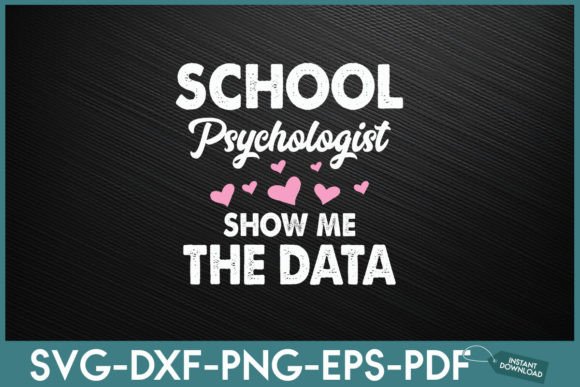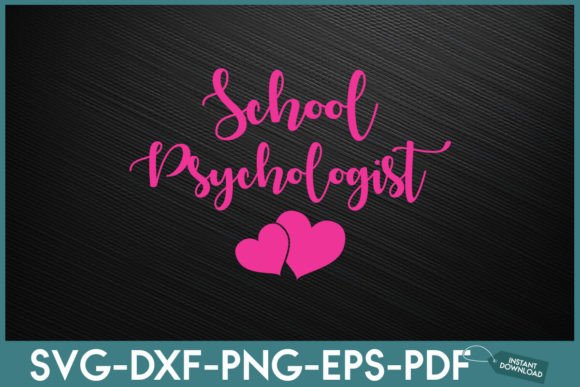
School Psychologist Psychology Teacher Design Review
As a professional embroidery digitizer and product reviewer, I approach every new graphic with a specific question: will this actually stitch out well on real fabric? When evaluating the School Psychologist Psychology Teacher design, my focus shifts immediately from the screen to the hoop. This SVG is marketed as a printable and cut file for crafts, but for those of us in the apparel decoration and commercial embroidery space, its true value lies in its adaptability as a machine embroidery design. The visual personality of this graphic strikes a balance between professional recognition and approachable warmth, which is exactly what school staff merchandise requires. It avoids being overly clinical while maintaining the dignity necessary for an educational environment.
First Impressions and Visual Translation
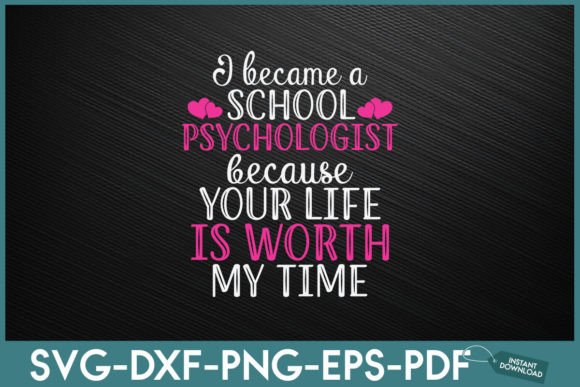
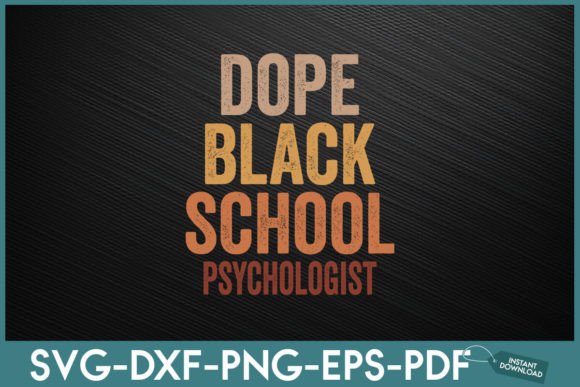
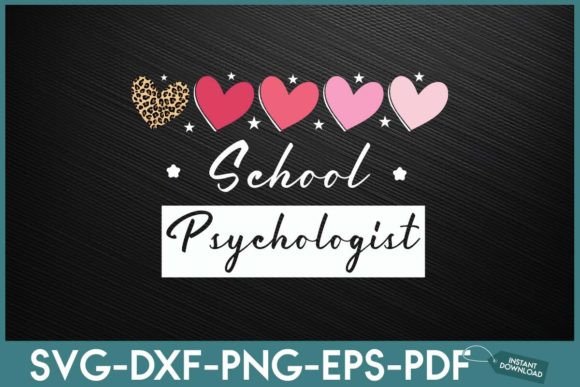
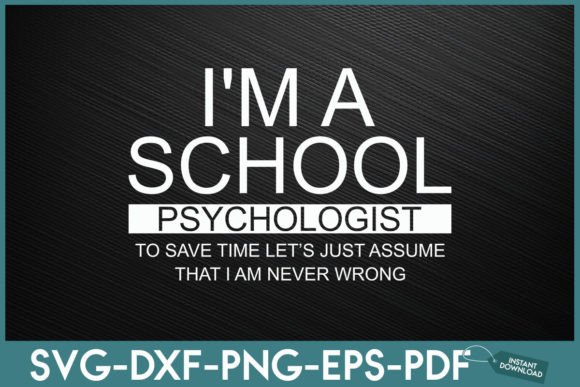
Upon opening the digital assets, the layout of the School Psychologist Psychology Teacher graphic presents a clean hierarchy. For embroidery designers, this is crucial. Cluttered graphics often translate into dense, bulletproof stitching that can distort lightweight fabrics. This design appears to have distinct separation between text and iconography, suggesting it could be digitized effectively using a combination of satin stitch for lettering and fill stitch or applique for larger graphical elements. The mood is supportive and educational, making it an ideal candidate for custom apparel intended for mental health professionals who want to signal their role without feeling like they are wearing a uniform.
For Etsy sellers and small shop owners, this aesthetic versatility is a major asset. It does not look like generic clip art; it feels like a curated brand element. Whether you are creating a personalized gift for a colleague or stocking boutique products for a school district, the design carries enough visual weight to stand alone on a tote bag or serve as a subtle pocket logo on a polo shirt.
Real-World Application: The Staff Appreciation Sweatshirt
To truly judge this design, I mentally placed it in a recent client scenario: creating a run of crewneck sweatshirts for a district-wide mental health awareness week. In this context, the School Psychologist Psychology Teacher design needs to perform on fleece-backed cotton, a fabric that can be unforgiving with detailed embroidery. Because the original files are SVGs intended for print and cut, the transition to embroidery requires careful planning. If you are converting this vector into a digital embroidery file, you must consider how the lines will interact with the texture of the sweatshirt.
In this real-life application, I would recommend utilizing an applique design technique for any large solid areas within the psychology symbols. This reduces stitch density significantly compared to a full fill stitch, keeping the garment soft and wearable. For the text portion, a sturdy column satin stitch is preferable to a running stitch to ensure legibility against the fuzzy fabric texture. This approach transforms a simple graphic into a high-value handmade product that staff members will actually want to wear outside of work. It elevates the perceived value of the finished product, fostering better buyer engagement and trust in your craft business.
Navigating Fabric Limitations and Hoop Constraints
While the School Psychologist Psychology Teacher theme is universally applicable, the physical execution requires caution depending on your chosen blank. Not all garments are created equal, and this design’s success depends heavily on matching the complexity to the substrate.
- Stretchy Knits and Performance Wear: If applying this to moisture-wicking tees or stretchy baby clothes, you must use appropriate stabilizer. A cut-away stabilizer is non-negotiable here to prevent the design from puckering or distorting after washing. The design’s shape should be evaluated for stretch; wide horizontal layouts can sometimes warp on ribbed knits.
- Textured Fabrics and Towels: On terry cloth or canvas tote bags, fine details can get lost. If the School Psychologist Psychology Teacher graphic includes thin connecting lines or small accent dots, these may need to be thickened during the digitizing process. Running stitches on towels often sink into the pile, so a topping or water-soluble stabilizer is essential to keep the design crisp.
- Caps and Curved Surfaces: Be wary of using wide, linear versions of this design on caps. The curvature of a hat hoop can cause registration issues if the design is too tall or wide. A centered, compact version of the School Psychologist Psychology Teacher motif works best for headwear, ensuring the embroidery stays within the safe stitch area of the cap frame.
- Dark Fabrics: Remember that thread colors behave differently on dark backgrounds. White or light-colored satin stitches may require an underlay to prevent the fabric color from showing through. Always test your thread color contrast before committing to a full production run.
Professional Standards and Commercial Viability
For creative entrepreneurs and digital product sellers, understanding the commercial viability of this asset is just as important as the stitch quality. The School Psychologist Psychology Teacher design serves as excellent foundation material for printable mockups and digital previews. However, when selling finished embroidered goods, professionalism is paramount. A poorly executed stitch-out reflects badly on both the psychologist profession and your brand.
Visual appeal directly correlates to customer trust. If you are listing this as part of a holiday embroidery collection or back-to-school merchandise, ensure your product photos show the actual stitched texture, not just the digital rendering. Buyers need to see how the satin stitch catches the light and how the design sits on the fabric. This transparency builds recognition and establishes your reputation as a quality maker. Furthermore, consistent use of this design across different products—matching patches, aprons, and pillow covers—can help create a cohesive brand identity for school-based businesses or private practices looking for branded merchandise.
Essential Designer Notes for Success
Before you load the School Psychologist Psychology Teacher file into your software or machine, adhere to these practical checkpoints to ensure a successful outcome:
- Verify File Compatibility: The product description highlights SVG and Silhouette files. Confirm whether a dedicated embroidery file format (like PES, DST, or JEF) is included or if you must digitize the vector yourself. Never assume an SVG is stitch-ready without conversion.
- Test Stitch on Scrap: Always run a test sew on a scrap of the exact fabric you intend to use. Check for gaps between outlines and fills, and verify that the stabilizer choice prevents tunneling.
- Review Licensing Terms: Before selling items featuring this design, explicitly check the license. Some "printable SVG" licenses cover paper crafts but restrict commercial embroidery sales. Protect your business by confirming you have the right to sell finished products or modified digital embroidery files.
- Assess Small Details: If the design contains tiny text or intricate psychological symbols, measure them physically. Text smaller than 4mm often becomes illegible in embroidery. You may need to simplify the School Psychologist Psychology Teacher graphic specifically for smaller hoop sizes or baby embroidery projects.
- Mockup in Black and White: View the design in grayscale to assess value contrast. If the design relies solely on color to distinguish elements, it may fail on monochromatic garments. Good embroidery design relies on texture and value, not just hue.
Ultimately, the School Psychologist Psychology Teacher design offers significant potential for makers and decorators who treat it with technical respect. By understanding the interplay between the vector art and the physical constraints of thread and fabric, you can transform this digital graphic into meaningful, durable, and professional embroidered goods that resonate with the education community.