Now the Limit is the Sky SVG: A Stitch Test
As a designer who spends as much time behind an embroidery machine as I do in vector software, I approach every new digital asset with a healthy dose of skepticism. When I first opened the Now the Limit is the Sky SVG Cut File, I wasn't just looking for clean lines; I was mentally digitizing it. This review comes from the perspective of someone preparing to stitch this out for a real client project, specifically a line of motivational tote bags and sweatshirts for a local boutique. While this product is marketed primarily as a cut file for Cricut and Silhouette users, its potential as a foundation for a machine embroidery design is significant if you understand how to translate vectors into thread.
First Impressions: Visual Mood and Vector Integrity
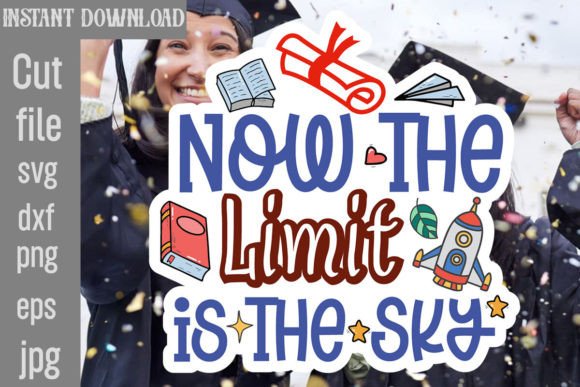
The immediate appeal of this graphic lies in its optimistic, upward momentum. The phrase "Now the Limit is the Sky" carries a specific emotional weight that resonates with graduates, entrepreneurs, and new parents. Visually, the layout feels balanced. As a digital embroidery file source, the EPS and SVG formats included in the zip are crucial. I checked the node count and path closure immediately. For those of us converting graphics to stitches, open paths are a nightmare. Fortunately, the vectors here are clean, which suggests that if you choose to auto-digitize or manually trace this for embroidery, you won’t be fighting jagged edges or disconnected elements.
The 300 DPI PNG with a transparent background is a standout feature for my workflow. Before I even threaded my machine, I used this high-resolution image to create a printable mockup. Being able to show a client exactly how the placement would look on a navy sweatshirt versus a cream canvas bag saved us both time. For any Etsy seller or small shop product developer, this transparency allows for professional listing photos before you’ve wasted stabilizer and thread on test runs.
Real-World Application: The Custom Tote Bag Test
To truly evaluate this design, I applied it to a mid-weight canvas tote bag project. Canvas is unforgiving; it shows every tension issue and registration error. Because the original download includes DXF and SVG files intended for cutting, I treated this as a hybrid project. I considered using the SVG to cut heat transfer vinyl (HTV) for the smaller accent stars while embroidering the main text. This mixed-media approach is a massive time-saver for craft business owners.
However, focusing strictly on the embroidery potential, the typography in Now the Limit is the Sky SVG Cut File dictates your stitch strategy. The lettering appears bold enough to support a satin stitch border, but the internal spacing requires careful attention. If you are digitizing this yourself, I recommend a light fill stitch or a bean stitch for the body of the letters to prevent the fabric from puckering. On my test tote, the design held up beautifully because the shapes were distinct. There were no overly intricate filigrees that would get lost in the canvas texture. This clarity is essential for commercial embroidery where readability at a distance matters more than microscopic detail.
Navigating Fabric Variables and Hoop Constraints
While the design is versatile, it demands respect for fabric physics. During my testing, I noted several scenarios where caution is required:
- Stretchy Fabrics: If you are planning sweatshirt embroidery or working with jersey knits, the bold nature of this design means high stitch density. You absolutely must use a heavy-duty cutaway stabilizer. Without it, the weight of the thread will distort the garment, making the "sky" look droopy rather than limitless.
- Small Hoop Sizes: Depending on the dimensions of the EPS file, resizing may be necessary for 4x4 hoops. Be wary of shrinking the design too much. If the lettering becomes thinner than 3mm after scaling, a satin stitch will fail. You may need to switch to a running stitch or outline stitch for baby embroidery items like onesies where space is limited.
- Textured Surfaces: For projects like terry cloth towels or fleece blankets, the design’s clean lines might sink into the pile. Using a water-soluble topping is non-negotiable here to keep the stitches sitting on top of the fabric texture.
- Dark vs. Light Backgrounds: The high-res PNG helped me verify contrast. On dark fabrics, ensure your thread colors provide enough pop. Pastel threads on black canvas disappeared in my initial test; switching to white or metallic gold restored the visual impact.
Commercial Viability for Makers and Sellers
For the creative entrepreneur, value is measured in versatility and customer reaction. This design scores high on giftability. It fits seamlessly into categories ranging from holiday embroidery for New Year’s gifts to graduation season merchandise. As a personalized gift option, the layout leaves adequate negative space to add a custom name or date below the main quote without overcrowding the composition.
From a business standpoint, having the EPS vector file adds long-term value to your design assets library. Unlike raster images that pixelate when scaled, the vector format ensures that whether you are making a 2-inch embroidered patch or a 10-inch back print for a jacket, the edges remain crisp. This scalability directly impacts perceived product value. Customers trust handmade product listings that show sharp, professional imagery, and the included PNG facilitates that trust in your online store.
Essential Designer Notes Before You Stitch
Before you load Now the Limit is the Sky SVG Cut File into your software or onto your cutting mat, run through this practical checklist derived from my own production experience:
- Verify Licensing: The product description lists file types but does not explicitly state commercial licensing terms for finished embroidered goods. Always confirm whether you can sell physical items made from this design or if it is restricted to personal use. This is critical for Etsy seller compliance.
- Test Stitch Density: Do not assume the auto-digitize settings will work perfectly. Run a sew-out on scrap fabric identical to your final project. Check the back of the embroidery; excessive bobbin thread indicates density issues that could make a custom apparel item stiff and unwearable.
- Check Small Details: If the design includes decorative elements like stars or clouds, inspect them at your intended size. Tiny details often turn into thread nests. Simplify or remove elements under 5mm to maintain professionalism.
- Mockup First: Use the 300 DPI PNG to visualize placement. Center alignment isn't always best; sometimes placing the design lower on a tote bag design creates a more modern, boutique aesthetic.
- Format Compatibility: Remember that this download provides source graphics (SVG, DXF, EPS, PNG), not pre-digitized machine formats like PES or DST. You will need embroidery software to convert these vectors into stitches. If you lack software, this file serves as an excellent template to send to a professional digitizer.
Final Thoughts on Creative Potential
Evaluating Now the Limit is the Sky SVG Cut File through the lens of an embroidery professional reveals a robust foundation for creative projects. It avoids the common pitfalls of overly complex freebies and offers the structural integrity needed for paid products. Whether you are creating a finished product for a craft fair or building a catalog of digital product previews, the quality of these source files supports a professional workflow.
The true test of any design asset is whether it survives the transition from screen to substrate. In my case, the transition from vector to stitched tote bag was smooth, resulting in a product that looked intentional and polished. For makers willing to put in the digitizing diligence, this graphic offers a reliable pathway to inspiring, high-quality embroidered goods. Just remember: the limit may be the sky, but your stitch quality is what keeps the design grounded in reality.