Kindergarten Crew Saying Designs: A Stitch Test
First Impressions for School Spirit Projects
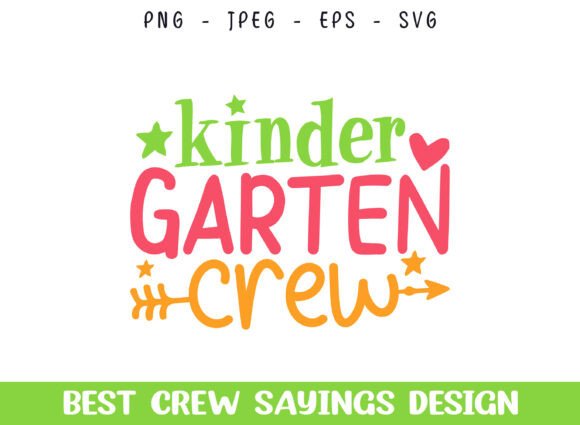
When evaluating Kindergarten Crew Saying Designs for actual production, my first focus is always on the emotional resonance and structural integrity of the artwork. As a designer who regularly creates merchandise for teachers and school staff, I look for graphics that balance playful energy with professional legibility. This design collection immediately strikes a chord because it captures that specific "teacher crew" camaraderie without feeling overly juvenile. The typography appears designed with intentionality, suggesting that the lettering has been optimized for visibility rather than just aesthetic flair on a screen.
In the realm of Crafts and digital Graphics, it is common to find files that look beautiful as vectors but fail when converted to stitches. However, the layout of these saying designs suggests a strong understanding of garment placement. The shape feels balanced for center-chest positioning on a sweatshirt or a left-chest logo placement on a polo. For an Etsy seller or small shop owner, this visual personality is crucial; it signals to the buyer that the final handmade product will look polished and intentional, not like a generic clip-art afterthought.
Real-World Application: The Teacher Appreciation Sweatshirt
To truly judge the utility of Kindergarten Crew Saying Designs, I mentally placed this artwork into a current real-life scenario: preparing a batch of custom embroidered sweatshirts for a kindergarten team’s end-of-year celebration. In this context, the design needs to perform on fleece-backed cotton, a fabric that can be unforgiving to fine details. The bold nature of the saying designs works in our favor here. Unlike intricate floral patterns that might get lost in the nap of the fleece, these text-based graphics rely on clear negative space and solid forms.
I envision stitching this out using a combination of satin stitch for the primary lettering and potentially a fill stitch if there are larger graphic elements accompanying the text. For a sweatshirt embroidery project, this distinction matters. Satin stitches provide that classic, raised sheen that customers associate with high-quality custom apparel. If the design includes smaller accent words, I would verify they are large enough to remain legible after washing. In my experience, teacher crews want their gear to last through years of classroom wear, so the construction must prioritize durability over delicate intricacy.
Furthermore, the versatility mentioned in the product description regarding color changes for dark or white t-shirts is a significant practical advantage. When creating a personalized gift or shop inventory, being able to use the same embroidery file across different garment colors saves digitizing time. For dark fabrics, ensuring the design has adequate underlay or is digitized to prevent the fabric color from bleeding through the threads is essential. This adaptability makes the design a reliable asset for commercial embroidery businesses that need to fulfill varied orders efficiently.
Navigating Fabric Variables and Hoop Limitations
While Kindergarten Crew Saying Designs appear robust, every experienced maker knows that execution depends heavily on the substrate. There are specific scenarios where caution is required. If you are planning to use this as a tote bag design on unstructured canvas, the design will likely shine due to the stable weave. However, if you intend to apply this to stretchy performance wear or thin baby clothes, the stitch density becomes a critical variable.
For baby embroidery or lightweight knits, heavy text designs can cause puckering or create a stiff, bulletproof patch effect that is uncomfortable against skin. In these cases, I strongly advise testing the design on scrap fabric first. You may need to adjust the pull compensation or reduce the density to maintain the drape of the garment. Similarly, when working with textured fabrics like waffle knit tea towels or pique polos, ensure the running stitch outlines are thick enough to stand out against the fabric's topography.
Hoop size is another practical constraint. While the full saying might fit perfectly in a 5x7 hoop for an adult shirt, scaling it down for a pocket-sized embroidered patch or a child’s sleeve requires scrutiny. Tiny lettering often suffers when reduced below a certain threshold; serifs can merge, and counters (the open spaces in letters like 'e' or 'a') can close up entirely. Always confirm the minimum viable size of the digital embroidery file before committing to small-scale projects. If the design relies on very fine lines for stylistic effect, it may not be suitable for caps or curved surfaces where registration shifts are more common.
Elevating Product Value and Customer Trust
The choice of Kindergarten Crew Saying Designs directly influences the perceived value of your finished goods. In the competitive market of school spirit wear, customers can instantly distinguish between a professional machine embroidery design and a hobbyist attempt. Clean edges, appropriate thread tension, and thoughtful color selection contribute to brand consistency. When a teacher wears a sweatshirt featuring this design, it acts as walking advertising for your craft business.
Visual appeal also drives buyer engagement online. When listing items on Etsy or social media, using accurate printable mockups alongside photos of the actual stitched product builds trust. Showcasing how the design looks on both light and dark backgrounds demonstrates confidence in your work. It tells the customer that you have considered how the thread colors interact with various garments. This level of professionalism justifies higher price points and encourages repeat business from school committees and parent groups looking for reliable vendors.
Moreover, the thematic relevance of these designs enhances giftability. A holiday embroidery project or a retirement gift featuring a "Kindergarten Crew" saying carries sentimental weight that generic designs lack. This emotional connection is what transforms a simple textile into a cherished keepsake. For sellers, highlighting this narrative in product descriptions helps connect with buyers searching for meaningful, niche-specific items rather than mass-produced alternatives.
Essential Pre-Stitch Checklist for Makers
Before loading the bobbin and hooping the stabilizer, run through this practical checklist to ensure success with Kindergarten Crew Saying Designs:
- Verify Licensing: Confirm whether the purchase includes commercial rights for selling finished products or if it is limited to personal use. This is non-negotiable for Etsy sellers and boutique owners.
- Test Stitch Density: Run a sample on the exact fabric you plan to use. Check if the stabilizer choice prevents puckering and if the design lays flat without excessive stiffness.
- Check Color Contrast: View the design in black and white during the planning phase to ensure readability relies on value contrast, not just hue. This ensures the design pops on any garment color.
- Inspect Small Details: Zoom in on the embroidery file to identify any jump stitches that might need trimming or areas where lettering might be too small for standard 40-weight thread.
- Validate Hoop Compatibility: Ensure the design dimensions fit your machine’s maximum field without requiring re-hooping, which can introduce alignment errors in multi-part sayings.
- Review Washability: Consider the end-use. If this is for a kitchen towel or baby item, ensure the stitch type can withstand frequent laundering without fraying.
Taking these steps transforms Kindergarten Crew Saying Designs from a simple digital download into a cornerstone of a successful embroidery lineup. Whether you are creating a single personalized gift for a favorite educator or stocking a shop with small shop products for back-to-school season, mindful preparation ensures the final result honors both the craft and the community it celebrates. By treating every embroidery project with technical respect and creative foresight, you deliver quality that resonates long after the last stitch is placed.