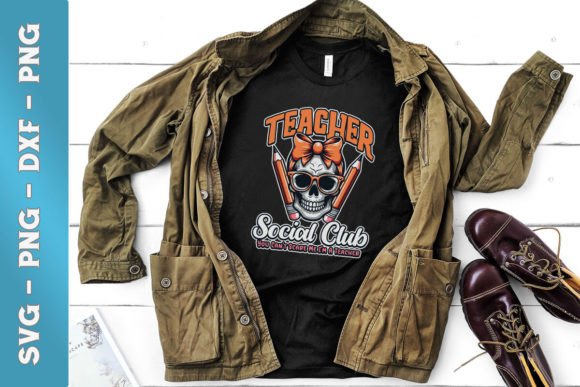
Halloween Teacher Spooky SVG: An Embroidery Review
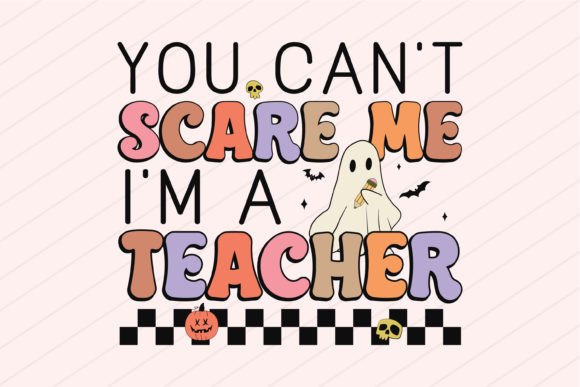
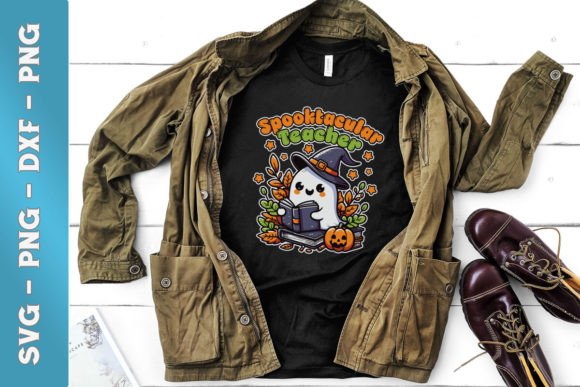
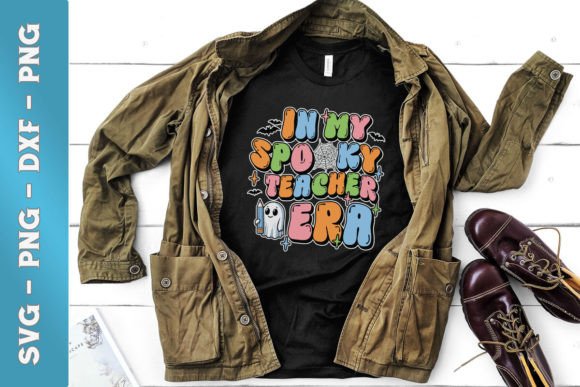
As a professional embroidery digitizer and product reviewer, I approach every new graphic with a specific question: will this translate from screen to stitch without losing its charm? When evaluating the Halloween Teacher Spooky SVG, my first impression is one of playful versatility. While this listing is primarily marketed as a digital cutting file for Cricut or Silhouette machines, the aesthetic qualities make it a compelling candidate for adaptation into a machine embroidery design. The mood strikes a perfect balance between festive and professional, avoiding the overly gory or juvenile tones that can alienate adult educators. For those of us in the craft business or running an Etsy shop, this graphic offers a sophisticated yet fun visual personality that fits seamlessly into autumn merchandise.
Translating Vector Graphics to Stitched Reality
Before hooping any fabric, we must acknowledge the technical origin of this asset. As a vector graphic intended for vinyl cutting, the Halloween Teacher Spooky SVG likely features clean lines and solid shapes. This is actually advantageous for embroidery digitizing. Clean vectors are the ideal foundation for creating satin stitch borders and smooth fill stitch areas. However, because this is not a pre-digitized embroidery file, you cannot simply load it into your machine. You must use digitizing software to assign stitch types, directions, and densities.
In my assessment, the bold silhouette style often found in teacher-themed spooky graphics lends itself beautifully to applique design. Instead of attempting to recreate complex shading with thousands of stitches, I recommend using the SVG outlines as a guide for fabric placement. A layered applique approach reduces stitch density significantly, which is crucial when working on knit fabrics like sweatshirts or t-shirts. If you choose to convert this entirely to thread, ensure you adjust the stitch density to prevent puckering, especially if the original graphic has large solid areas that would otherwise become bulletproof patches of thread.
Real-World Application: The Custom Teacher Tote
To truly judge the viability of this design, I mentally placed it onto a canvas tote bag project intended for a local school fundraiser. Teachers carry heavy loads, both literally and figuratively, so the embroidered patch or direct embroidery needs to withstand wear while looking polished. For this specific handmade product, the Halloween Teacher Spooky SVG serves as an excellent centerpiece.
On a natural canvas tote bag design, the contrast of black or orange thread against unbleached fabric creates immediate visual impact. Because tote bags are structured and stable, they handle higher stitch counts better than stretchy apparel. In this scenario, I would utilize a combination of running stitch for fine details and satin stitch for the outer edges to mimic the crisp look of the original vector. The result is a personalized gift that feels boutique-quality rather than mass-produced. Customers respond well to this level of intentionality; it signals that the maker understands both the holiday theme and the practical needs of the educator receiving the gift.
Fabric Considerations and Technical Limitations
While the design is versatile, it requires careful handling depending on the substrate. Not all fabrics are created equal, and what works for a pillow cover may fail on a baby onesie. Here is how the Halloween Teacher Spooky SVG performs across different materials:
- Sweatshirt Embroidery: Fleece and french terry have texture that can swallow fine details. If the SVG includes tiny text or intricate spiderwebs, increase the column width of your satin stitches or simplify the design elements. Always use a cut-away stabilizer to support the weight of the embroidery.
- Kitchen Towels and Tea Towels: These are high-wash items. Ensure your stitch density is sufficient to cover the waffle weave or terry cloth texture. A water-soluble topping is non-negotiable here to keep the stitches from sinking into the fabric pile.
- Caps and Curved Surfaces: Be cautious. Vector graphics designed for flat cutting often distort when wrapped around a cap frame. You may need to manually adjust the distortion in your digitizing software to compensate for the curve. Test on a scrap cap before committing to commercial embroidery production.
- Baby Embroidery: Softness is safety. Avoid dense fill stitches that create hard, scratchy backs. Opt for light running stitch art or soft applique with secure edging. Always verify that the design size fits within a safe hoop size for infant garments without placing tension on seams.
Commercial Viability for Small Business Owners
For Etsy sellers and creative entrepreneurs, time is money. The Halloween Teacher Spooky SVG represents a valuable design asset because of its niche specificity. "Teacher" and "Halloween" are high-intent search terms in the fourth quarter. By converting this graphic into a finished product, you bridge the gap between digital downloads and tangible goods.
However, professionalism dictates that you verify licensing before selling. Just because you purchased the SVG does not automatically grant commercial embroidery rights. Check the designer’s terms explicitly. Assuming you have clearance, this design is ideal for limited-edition holiday embroidery runs. It pairs exceptionally well with customizable name additions, allowing you to offer a personalized gift option that justifies a higher price point. From a branding perspective, maintaining consistent stitch quality across these items builds customer trust. A sloppy conversion where threads break or registration fails will hurt your shop's reputation faster than any algorithm change.
Essential Designer Notes for Success
If you decide to bring this graphic to life in thread, treat the process with the same rigor as any professional embroidery project. Do not rely on auto-digitizing features alone. Auto-digitizers rarely understand the nuance of a spooky-cute aesthetic and often produce inefficient stitch paths.
- Test on Scrap Fabric First: Never run a new conversion directly on a sellable item. Hoop a piece of similar weight and texture to check for registration issues, thread breaks, or excessive density.
- Evaluate Thread Colors: Monitor how your chosen thread colors interact. Orange and black are standard, but consider adding a metallic gold or variegated purple for a premium touch. View the design in black and white mockups to ensure value contrast exists independent of color.
- Check Stabilizer Pairing: Match your stabilizer to the fabric, not just the design. Stretchy knits need cut-away; woven cottons can often use tear-away. Incorrect stabilization is the number one cause of poor embroidery outcomes.
- Inspect Small Details: Vectors can have hairline details that are physically impossible to stitch. Simplify elements smaller than 1mm. Running stitch is your friend for fine lines; avoid satin stitch on anything too narrow.
- Create Printable Mockups: Before listing, generate realistic previews. Since this started as a digital file, use printable mockup templates to show clients how the embroidery will look on various products. This bridges the expectation gap between digital art and physical texture.
Ultimately, the Halloween Teacher Spooky SVG is more than just a seasonal graphic; it is a test of your ability to adapt digital assets for tactile mediums. Whether you are creating custom apparel for a client, stocking your small shop product line, or making a heartfelt holiday gift, success lies in respecting the differences between cutting and stitching. By applying thoughtful digitizing techniques and testing rigorously, you can transform this charming vector into a durable, beautiful embroidered piece that celebrates the season with professional flair.